Patients planning rhinoplasty in Dubai often ask the same question: “How long will recovery take?” The honest answer is that recovery has several stages. Most people return to ordinary routines well before the nose has completely settled, while swelling and subtle changes may continue for many months.
Your operation, skin thickness, nasal structure, previous surgery, general health and aftercare all affect the timeline. Use this guide to plan ahead, then follow the personalised instructions from your own surgical team.
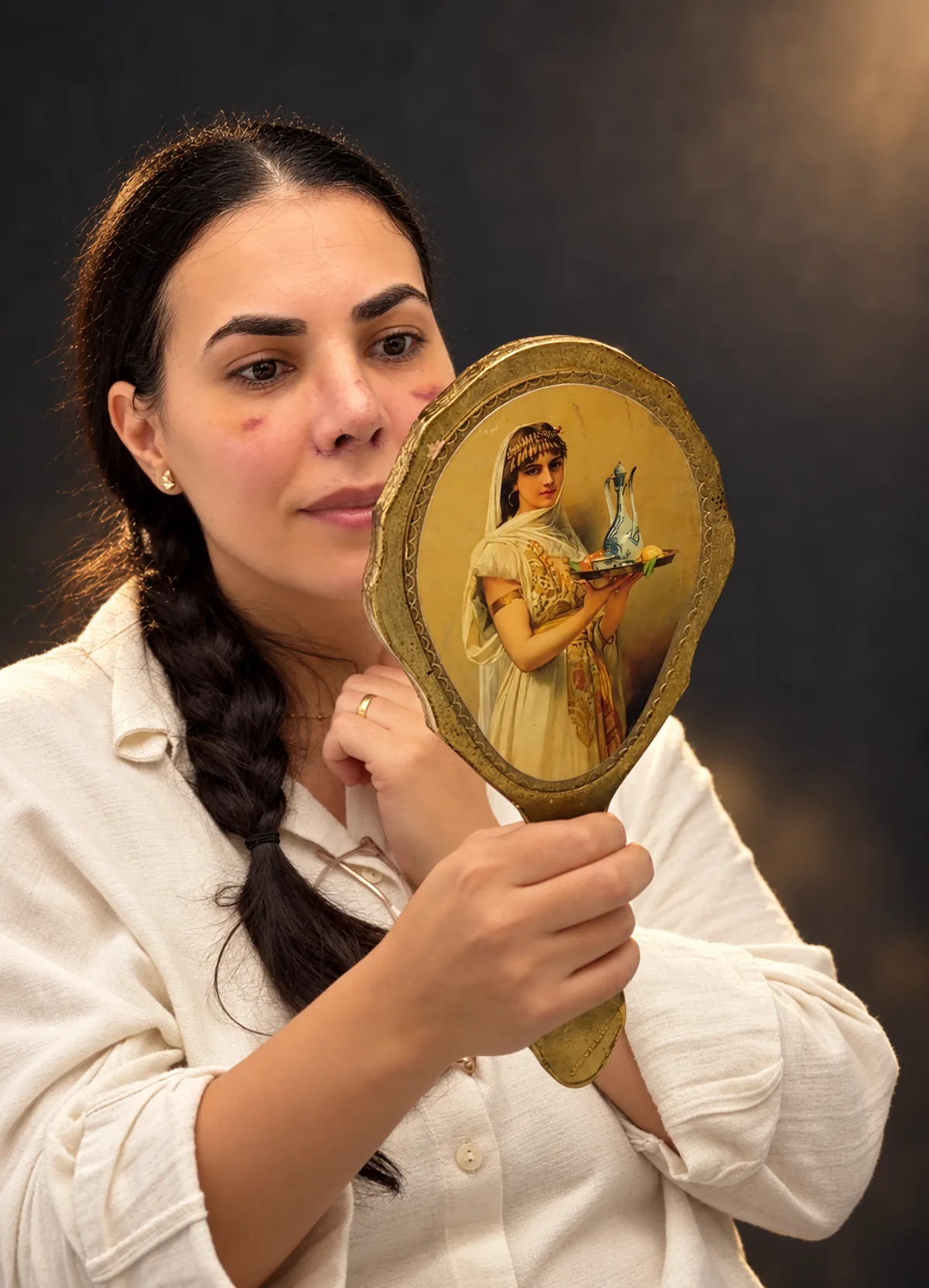
Two to three weeks before surgery
Preparation is not about following a perfect “anti-swelling diet.” It is about arriving well nourished, hydrated and medically ready for anaesthesia and healing.
- Eat regular, balanced meals with adequate protein from foods such as fish, chicken, eggs, yoghurt, beans or lentils.
- Include fruit and vegetables as ordinary sources of vitamin C, zinc and other nutrients.
- Maintain normal hydration unless another doctor has given you a fluid restriction.
- Tell the surgical team about every prescription medicine, over-the-counter medicine, vitamin, herb and supplement you use.
- Stop smoking and nicotine as directed, because nicotine can impair blood flow and healing.
Medication safety: Never stop aspirin, anticoagulants or any prescribed medication without agreement from the clinician who prescribed it and your surgical team. Do not start arnica, bromelain, fish oil, turmeric, ginkgo, ginseng or other supplements unless specifically approved for you.
Seven to fourteen days before surgery
Your team will give you an individual list of medicines and supplements to avoid. Some products can affect bleeding, interact with anaesthesia or change the effect of prescription medicines. Alcohol is also commonly restricted before surgery.
In the final week, choose familiar balanced foods rather than restrictive diets, keep salt intake moderate, and avoid arriving dehydrated. Confirm your transport home, post-operative support, time away from work and the exact fasting instructions from the anaesthesia team.
Day of surgery
Rhinoplasty is commonly performed as a day-case procedure, meaning many patients go home after monitored recovery rather than staying overnight. This is not universal: the procedure, anaesthesia, health history and recovery on the day determine when discharge is safe.
A responsible adult should take you home and remain available during the early recovery period. You may have an external cast or splint, nasal dressings, and sometimes internal splints. Nasal blockage, pressure, mild oozing, swelling and tiredness can be expected early on.
Days 1–2: rest, walking and the first review
Keep your head elevated as instructed and take only the medicines provided or approved by your surgical team. Short, gentle walks are usually encouraged to support circulation, but this does not mean exercise, bending, lifting or strenuous housework.
Dr. Mikaniki’s usual pathway includes a first clinic visit around day 2 for an early healing check. Some patients feel able to do quiet desk-based tasks at this stage, particularly from home. Others need more rest. Do not plan day 2 as a guaranteed return-to-work date.
Days 3–7: bruising and swelling change
Bruising and facial swelling may be most noticeable during the first several days before gradually improving. Nasal breathing may remain limited because of internal swelling and dressings. Avoid blowing your nose unless your surgeon says it is safe.
Protect the cast from water, avoid pressure on the nose, and sleep as instructed. Contact the team if symptoms are worsening rather than improving or if you are unsure whether something is normal.
Days 7–10: cast and splint review
A second clinic visit is usually scheduled around days 7 to 10. If healing is appropriate, the external cast and any internal splints may be removed at this appointment.
The nose will not look “final” when the cast comes off. It can look swollen, asymmetric or unfamiliar at first, and the tip may feel firm or numb. This early appearance should not be used to judge the final result.
Weeks 1–2: returning to public life and work
Many patients choose one to two weeks away from in-person work or social events because of the visible cast, bruising and swelling. A quiet desk job may be possible earlier for selected patients; physically demanding work requires more time and specific clearance.
Make-up, glasses, skin care, driving and air travel each need individual advice. Before booking a flight from the UAE or returning from overseas, ask when travel is safe for your procedure and follow-up plan.
Weeks 3–6: gradual return to activity
Walking and normal daily movement can increase gradually when comfortable. Strenuous workouts, heavy lifting, inverted positions and activities that raise blood pressure or risk impact to the nose must wait until the surgeon clears them.
Many patients receive clearance for heavier gym sessions at around four to six weeks, but this is a guide—not a deadline. Contact sports and any activity where the nose could be hit usually require a longer restriction.
Months 1–12: the nose continues to settle
A large part of the visible swelling improves during the early weeks, but the soft tissues of the nose can hold swelling longer than other parts of the face. Refinement is gradual, especially at the nasal tip and in thicker skin.
Dr. Mikaniki’s usual monitoring schedule includes milestone reviews at approximately 1 month, 3 months, 6 months and 12 months. These visits allow progress, breathing, scars and structural settling to be assessed over time.
When should you contact the surgical team urgently?
Your discharge instructions should provide emergency contact details. Seek prompt medical advice for heavy or persistent bleeding, increasing one-sided swelling, worsening severe pain, fever, pus or a foul smell, sudden breathing difficulty, visual disturbance, chest pain, calf pain or shortness of breath. In a medical emergency in the UAE, call the local emergency service.
Frequently asked questions
When can I return to work after rhinoplasty?
Some patients can do quiet desk work within a few days, but many prefer one to two weeks away because of the cast, bruising, swelling and fatigue. Timing depends on the operation, the work and individual healing.
When is the cast removed?
Dr. Mikaniki’s usual schedule includes a review around days 7 to 10, when the cast and any internal splints may be removed if healing is appropriate.
When can I exercise?
Gentle walking is usually encouraged early. Strenuous exercise and heavy lifting must wait for clearance, often around four to six weeks. Contact activities may require longer.
When will I see the final result?
A visible change is present early, but swelling resolves gradually. The contour may continue refining for a year or longer depending on the procedure, skin and individual healing.
Should I take arnica or bromelain?
Do not start these or any other supplements unless the surgical team has reviewed your allergies, health history and medicines and specifically approves them.

Reviewed by Dr. Narges Mikaniki
Double Board-Certified ENT and Facial Plastic Surgeon practising in the UAE, with a focus on primary, functional and revision rhinoplasty and natural, identity-preserving facial results.
- American Society of Plastic Surgeons: Rhinoplasty recovery
- American Society of Plastic Surgeons: What to expect during recovery
- Cleveland Clinic: Rhinoplasty surgery and recovery
- NHS: Nose reshaping (rhinoplasty)
- Clinical practice guideline: improving nasal form and function after rhinoplasty
This article is educational and does not replace an examination, discharge instructions or personalised medical advice.